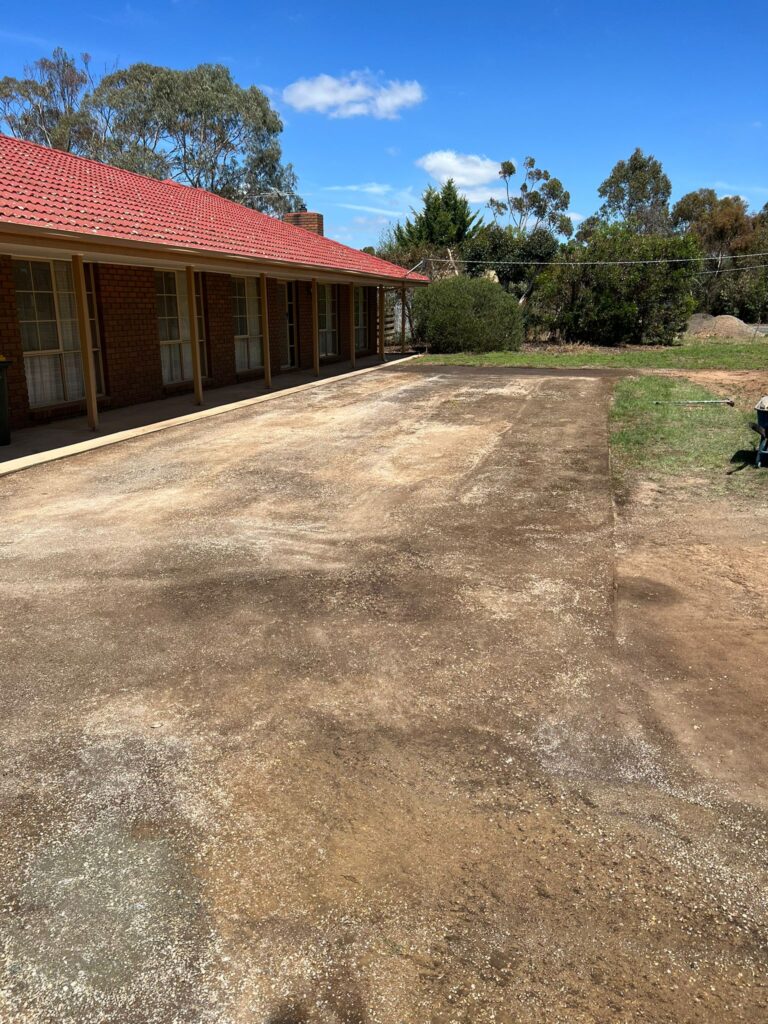
An asphalt surface with several visible repairs can easily appear to be approaching the end of its useful life. Different patches, repaired potholes and sections of older asphalt may create an inconsistent appearance, leading property owners to wonder whether continuing to preserve the pavement is worthwhile.
However, the number of previous repairs does not determine the condition of the entire surface. A road, driveway, access area or hardstand may contain several repaired sections while the majority of its pavement structure remains stable and serviceable. In these circumstances, appropriate maintenance or resurfacing can potentially preserve much of the existing pavement rather than treating every repaired surface as though it requires complete reconstruction.
For property owners and businesses in North Lakes, QLD, the important step is understanding what those previous repairs reveal about the pavement. At North Lakes Surfacing Solutions, we assess the condition of the existing asphalt, repaired areas and supporting pavement before determining the most appropriate approach.
Previous Repairs Do Not Automatically Mean the Pavement Has Failed
Asphalt repairs are a normal part of maintaining many established surfaces. Individual sections can deteriorate because of localised water penetration, concentrated traffic, minor settlement or isolated pavement weaknesses.
If those problems were properly repaired and the surrounding pavement remains stable, the existence of several patches does not necessarily mean the whole surface is unsuitable for continued use.
The wider pavement should instead be assessed for:
- Structural stability
- Condition of previous repairs
- Cracking between repaired areas
- Rutting or settlement
- Drainage performance
- Pothole development
- Surface wear
- Edge condition
These factors provide considerably more useful information than simply counting the number of patches.
Look at Why the Previous Repairs Were Needed
The history of repairs can help reveal whether deterioration is genuinely localised or part of a larger pattern.
For example, several unrelated repairs completed over a long period may not be particularly concerning if each section remains stable.
Repeated failures concentrated in the same area tell a different story.
Repair Patterns Can Reveal Underlying Problems
If patches repeatedly appear along the same wheel path, around a low section or in an area where water collects, there may be an unresolved cause beneath the surface.
Possible contributing factors include:
- Weak pavement base
- Poor drainage
- Localised settlement
- Repeated heavy vehicle loading
- Inadequate support around pavement edges
- Water entering through existing cracks
Understanding the pattern helps determine whether further local repairs are appropriate or whether the wider section needs attention.
Stable Asphalt Around the Repairs May Still Be Valuable
One of the most important considerations is how much of the original pavement remains in sound condition.
If large areas are still firm, relatively even and free from significant structural cracking, there may be considerable value in preserving them.
Removing stable pavement unnecessarily can overlook the fact that asphalt surfaces rarely deteriorate at exactly the same rate across their entire area.
Serviceable Pavement Should Be Assessed on Its Own Condition
A repaired section should not automatically determine the fate of neighbouring asphalt.
The surrounding pavement may still provide:
- Stable structural support
- Consistent traffic performance
- Suitable surface levels
- Effective drainage
- A dependable foundation for future resurfacing
A professional pavement assessment can distinguish these serviceable areas from sections that genuinely require further work.
The Condition of Existing Patches Matters
Previous repairs themselves should also be examined.
A patch that remains level, firm and securely integrated with the surrounding asphalt is very different from one that has started cracking, sinking or breaking away.
Signs of a stable repair can include a consistent level with adjoining pavement, limited movement and no significant deterioration around its perimeter.
Warning signs of a failing repair include:
- Cracks developing around the edges
- Loose asphalt
- Settlement within the repaired area
- A pothole beginning to return
- Water pooling around the patch
- Movement under regular traffic
Failed repairs may need to be removed and reconstructed before the wider pavement can be preserved or resurfaced effectively.
Recurring Potholes Require More Investigation
When a pothole repeatedly returns in the same location, there is often a reason beyond ordinary surface wear.
The supporting pavement may have become unstable, particularly if moisture has reached the road base.
Simply placing additional asphalt into the same damaged area may not provide the necessary support.
The Problem May Be Below the Asphalt
The visible surface is only one part of the pavement structure. Asphalt depends on properly prepared and compacted layers underneath it.
If those supporting materials have weakened or moved, repairs can continue to fail even when the replacement surface material itself is suitable.
In these circumstances, the affected area may need to be opened sufficiently to identify and correct unstable material before it is repaired again.
Importantly, a deeper failure in one section does not automatically mean the entire pavement has the same problem.
Cracking Between Repairs Provides Important Information
The original asphalt between previous patches should be inspected carefully.
If these areas remain stable with only limited surface deterioration, preservation or resurfacing may still be practical.
Extensive interconnected cracking can indicate a more significant issue. Cracks allow water to enter the pavement and can also reflect movement within the supporting layers.
Particular attention should be given where cracking is accompanied by:
- Surface movement
- Loose material
- Depressions
- Potholes
- Rutting
- Water penetration
These combinations can suggest that deterioration has progressed beyond normal surface ageing.
Drainage Can Determine Whether Preservation Is Practical
A pavement that remains structurally sound can still deteriorate if water is not managed correctly.
Previous repairs concentrated around low areas may indicate that rainfall is contributing to repeated pavement failure.
Water can enter through cracks and damaged patches, weakening the materials underneath. Poor surface levels can make matters worse by allowing water to remain on vulnerable areas.
Before preserving or resurfacing an older pavement, it can therefore be important to assess:
- Surface falls
- Low sections
- Water pooling
- Edge drainage
- Erosion
- Areas where runoff repeatedly crosses damaged asphalt
Correcting these issues can form an important part of protecting the remaining pavement.
When Can Localised Repairs Continue to Make Sense?
Localised asphalt repairs remain useful when deterioration is genuinely confined to individual sections.
If most of the pavement remains sound, repairing an isolated pothole or failed patch can preserve the surrounding asphalt and prevent unnecessary disturbance.
The suitability of this approach depends on whether new defects are appearing occasionally or whether deterioration has become increasingly widespread.
Watch the Rate at Which New Problems Are Appearing
The frequency of repairs can sometimes be more informative than the total number.
A pavement with several old, stable repairs may remain serviceable for some time. A surface that is developing new potholes, cracks and depressions in rapid succession may need a broader assessment.
Increasing repair frequency can indicate that the upper pavement is becoming generally worn or that underlying conditions are changing.
Could Resurfacing Preserve the Existing Pavement?
Where the underlying pavement remains stable but the upper asphalt has become extensively worn or heavily patched, resurfacing may provide a way to retain the serviceable pavement structure.
A new asphalt surface can create greater consistency across areas that have accumulated repairs over time.
However, preparation is essential.
Before resurfacing, unstable patches, potholes, significant cracks and localised base failures should be addressed. Surface levels and drainage should also be considered so existing problems are not simply covered by new asphalt.
When Might Preservation No Longer Be Appropriate?
There are circumstances where deterioration has progressed too far for straightforward preservation or resurfacing to be the most suitable approach.
Signs of more extensive pavement failure can include:
- Widespread structural cracking
- Numerous unstable patches
- Significant rutting
- Large sunken sections
- Repeated potholes across the pavement
- Extensive base movement
- Continuing deterioration shortly after repairs
These conditions suggest that the pavement structure should be assessed more thoroughly.
Even then, different parts of the site may require different treatments. Sound sections may be retained while failed areas receive more substantial preparation.
Why Assessment Is Better Than Judging by Appearance
A heavily patched asphalt surface can look worse than it actually is structurally. Equally, a relatively uniform-looking pavement can conceal problems underneath.
Decisions about preservation should therefore be based on pavement condition rather than appearance alone.
At North Lakes Surfacing Solutions, we assess asphalt and bitumen surfaces in North Lakes, QLD, with attention to previous repairs, pavement stability, drainage, surface levels and signs of underlying failure. This allows the condition of serviceable pavement to be considered alongside the sections that require further attention.
Preserving Sound Pavement Can Be a Practical Approach
The purpose of professional pavement maintenance is not to recommend the most extensive treatment automatically. It is to determine what the existing surface actually requires.
Where large sections remain stable, retaining that pavement while addressing individual weaknesses can be a sensible approach. Where surface deterioration has become broader but the foundation remains serviceable, resurfacing may provide another option.
The key is identifying the point at which localised defects stop being isolated problems and begin indicating wider pavement failure.
Conclusion
Several previous asphalt repairs do not necessarily mean that a surface is no longer worth preserving. What matters is the condition of the pavement between those repairs, the stability of the patches themselves and whether underlying problems such as poor drainage, base weakness or settlement are continuing to cause deterioration.
A pavement containing multiple stable repairs may still have substantial serviceable areas. Localised repairs or resurfacing can potentially preserve those sections when the supporting pavement remains suitable. Conversely, recurring potholes, widespread cracking, significant rutting and unstable repairs may indicate that more extensive preparation is required.
For property owners and businesses in North Lakes, QLD, North Lakes Surfacing Solutions provides professional asphalt and bitumen resurfacing based on the actual condition of the existing pavement. If your asphalt has accumulated several repairs and you are unsure whether the surface can still be preserved, contact our team to arrange an assessment and discuss an appropriate approach.
Call us on: 07 3113 9873
Click here to find out more about North Lakes Surfacing Solutions
Click here to complete our contact form and see how we can help with your driveway needs.