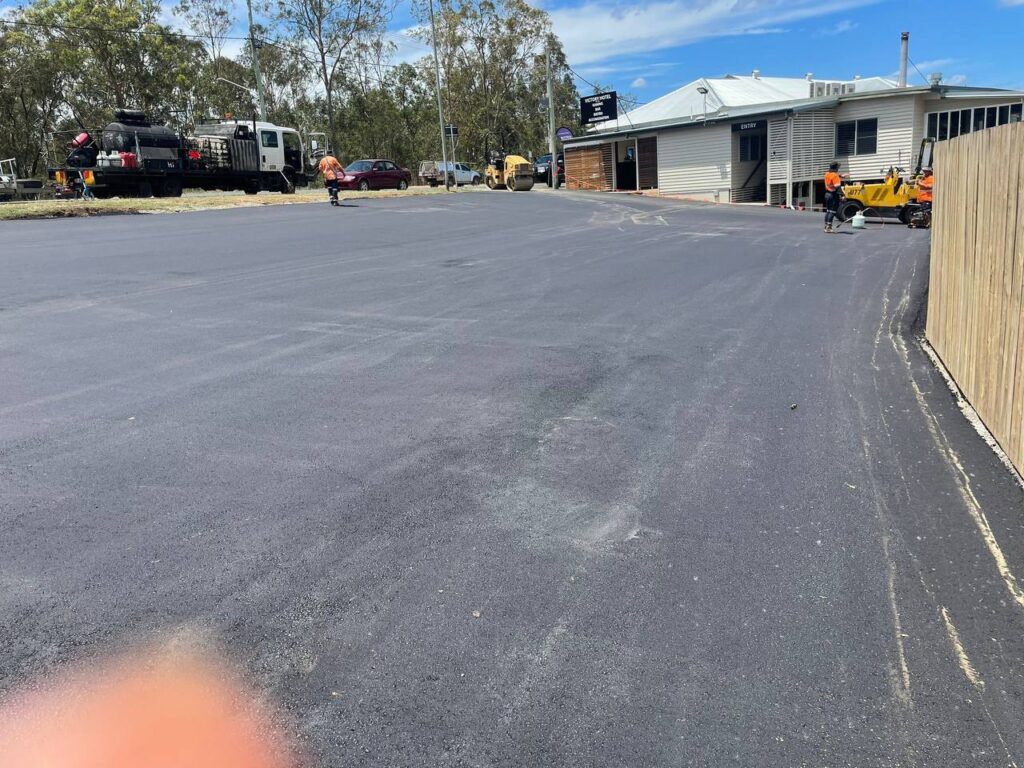
A neglected parking area can gradually become more difficult to use as the asphalt deteriorates. Cracks, potholes, uneven sections and poor drainage can affect vehicle movements, reduce the usability of parking spaces and make the surrounding property appear poorly maintained. Although these problems may develop slowly, they can eventually affect the functionality of the entire area.
For property owners and businesses in North Lakes, QLD, professional asphalt resurfacing can provide an effective way to restore an ageing parking area without necessarily reconstructing the entire pavement. However, the suitability of resurfacing depends on the condition of the existing asphalt and the supporting layers underneath.
North Lakes Surfacing Solutions provides professional asphalt resurfacing and pavement preparation, helping restore deteriorated surfaces through appropriate repairs, preparation and installation methods.
How Can Asphalt Resurfacing Restore a Neglected Parking Area?
Asphalt resurfacing involves preparing an existing pavement and installing a new asphalt wearing layer. When the underlying pavement remains structurally sound, this process can restore a smoother, more consistent surface and improve the overall functionality of a parking area.
However, resurfacing is not simply a matter of covering damaged asphalt. Existing defects must be assessed and appropriately repaired before the new surface is installed.
A neglected parking area may benefit from resurfacing when deterioration is widespread across the wearing surface but the pavement underneath remains capable of supporting regular vehicle traffic.
1. Restoring a Smooth and Consistent Parking Surface
One of the most noticeable problems with an ageing parking area is the gradual loss of surface consistency.
Over time, asphalt can develop cracks, shallow depressions, rough patches and isolated potholes. These defects may cause drivers to change their route or position their vehicles differently to avoid damaged sections.
Professional resurfacing can restore a more uniform driving and parking surface.
This can make everyday vehicle movements more predictable while improving the usability of the parking area.
A consistent surface is particularly valuable where vehicles regularly enter, reverse, turn and park within a relatively confined space.
2. Addressing Widespread Surface Deterioration
Small areas of asphalt damage can often be repaired individually. However, when deterioration spreads across a substantial proportion of a parking area, repeated patching may no longer provide a satisfactory overall result.
Signs of widespread deterioration can include:
- Numerous cracks across the pavement
- Multiple previously repaired sections
- General surface wear
- Loose or deteriorating asphalt
- Small potholes developing in several locations
- Uneven surface texture
- Deterioration around frequently used parking positions
Where these problems are primarily affecting the wearing surface, resurfacing may provide a more comprehensive approach.
Instead of treating each defect separately, the existing pavement can be prepared and renewed with a consistent asphalt layer.
3. Improving Drainage Across the Parking Area
Drainage is an important consideration when restoring neglected asphalt.
Parking areas need appropriate surface levels to allow rainfall to move towards suitable drainage points.
When asphalt becomes uneven, water may begin collecting in depressions, wheel paths and damaged sections.
Standing water can contribute to further deterioration, particularly when it enters cracks and reaches the supporting pavement layers.
Before resurfacing, a professional contractor should assess whether the existing levels provide adequate drainage.
Preparation may involve correcting localised depressions, repairing damaged sections and adjusting surface levels where appropriate.
Why Drainage Problems Should Be Corrected Before Resurfacing
Applying fresh asphalt over an existing drainage problem does not necessarily resolve it.
If the new surface follows the same poorly shaped pavement, water may continue collecting in the original low areas.
This can expose the resurfaced pavement to the same conditions that contributed to earlier deterioration.
Professional preparation considers the movement of water across the entire parking area, helping ensure the finished surface has appropriate falls and drainage.
4. Improving Vehicle Access and Manoeuvring
A neglected parking area can become increasingly awkward for drivers.
Potholes, surface depressions and damaged sections may interfere with normal vehicle movements, particularly around entrances, turning areas and parking bays.
Resurfacing can help restore a more consistent pavement across these frequently used locations.
This can make it easier for vehicles to:
- Enter and leave the parking area
- Move between parking positions
- Reverse and turn
- Access different sections of the property
- Travel across previously damaged areas
The improvement is not simply visual. A smoother, properly prepared asphalt surface can make the parking area more practical for everyday use.
5. Creating a More Professional Appearance
The condition of a parking area contributes to the overall presentation of a property.
A surface containing extensive cracks, potholes and numerous patches can make an otherwise well-maintained site appear neglected.
Professional asphalt resurfacing can restore a cleaner, more uniform appearance.
For commercial properties, this can help create a more organised environment for customers, staff and visitors.
A renewed asphalt surface also provides a consistent foundation for clearly defining parking and circulation areas where appropriate.
6. Reducing Problems Caused by Deteriorating Asphalt
As asphalt ages, the surface can gradually lose material and become rougher.
Where deterioration progresses, small pieces of asphalt may break away, creating loose material and shallow defects.
Continued traffic can enlarge these areas and contribute to pothole formation.
Resurfacing can renew a deteriorated wearing layer before surface defects become more extensive, provided the supporting pavement remains suitable.
This can help reduce ongoing problems associated with loose asphalt, uneven sections and progressive surface breakup.
7. Restoring Areas Exposed to Frequent Vehicle Movements
Parking areas experience different types of traffic stress.
Straight driving sections are subjected to regular wheel loads, while parking positions and turning areas experience repeated braking, acceleration and steering movements.
These concentrated forces can contribute to deterioration, particularly where the existing pavement has become weakened.
Professional resurfacing should consider the way vehicles use the area.
Particular attention may be needed around:
- Entrances and exits
- Frequently used parking bays
- Tight turning areas
- Loading and unloading locations
- Main vehicle circulation routes
- Sections used by larger vehicles
Assessing these areas helps determine whether localised strengthening or deeper preparation is needed before resurfacing.
When Is Asphalt Resurfacing Suitable for an Existing Parking Area?
Not every neglected parking area requires complete reconstruction.
Resurfacing may be appropriate when the existing pavement has become worn or damaged but the supporting layers remain sufficiently stable.
Potential indicators include:
- General surface ageing
- Widespread superficial cracking
- Deterioration of the asphalt wearing layer
- Multiple minor surface defects
- A rough or inconsistent finish
- Localised damage that can be repaired during preparation
The important consideration is whether the existing pavement can continue providing adequate support beneath the new asphalt layer.
When Might Resurfacing Not Be Enough?
Some parking areas develop problems that extend beyond the surface.
If the pavement base has become unstable, installing new asphalt over the existing surface may not provide a dependable result.
Warning signs of deeper deterioration include:
- Significant settlement
- Deep wheel ruts
- Repeated pothole formation
- Large areas of cracking accompanied by deformation
- Soft or unstable pavement sections
- Persistent drainage problems
- Asphalt moving under vehicle loads
These conditions may require deeper repairs or reconstruction of affected sections before resurfacing can proceed.
In some cases, deterioration may be widespread enough to require more extensive pavement reconstruction.
A professional assessment can help determine the most appropriate approach.
Why Proper Preparation Is Essential Before Resurfacing
The quality of an asphalt resurfacing project depends heavily on the preparation completed before the new wearing layer is installed.
If existing potholes, unstable areas or drainage defects are simply covered, the underlying problems may continue affecting the renewed pavement.
Professional preparation may involve:
- Inspecting the existing asphalt
- Identifying structural weaknesses
- Removing loose or deteriorated material
- Repairing potholes
- Reconstructing localised failed sections
- Correcting depressions
- Improving drainage where necessary
- Preparing the existing surface for the new asphalt layer
These steps help create a suitable foundation for the resurfacing work.
Why the Existing Base Matters
Asphalt relies on the pavement structure beneath it to support traffic.
If the supporting layers are unstable or inadequately compacted, vehicle loads can cause movement that eventually becomes visible in the surface.
This may lead to cracking, rutting or settlement, even when the asphalt wearing layer is relatively new.
For this reason, resurfacing should only proceed once the condition of the existing pavement has been properly assessed.
Is Repairing Individual Potholes Better Than Resurfacing?
The answer depends on the extent of the damage.
If a parking area contains only a small number of isolated potholes and the surrounding asphalt remains in good condition, localised repairs may be appropriate.
However, when numerous defects develop across the pavement, resurfacing may provide a more comprehensive solution.
A professional contractor should consider:
- The number and distribution of potholes
- The condition of the surrounding asphalt
- The extent of cracking
- Surface stability
- Drainage performance
- Traffic requirements
- Previous repairs
The objective is to select an approach that addresses the actual pavement condition rather than automatically choosing resurfacing or isolated repairs.
Why Early Assessment Can Prevent Further Deterioration
Neglected asphalt rarely improves without intervention.
Small cracks can allow water to enter the pavement, while repeated vehicle movements can enlarge damaged sections.
As deterioration progresses, localised defects may begin affecting the surrounding asphalt and supporting layers.
Assessing the parking area before extensive structural damage develops can help identify which sections remain suitable for resurfacing and which require additional preparation.
The Value of Professional Asphalt Resurfacing
Restoring a neglected parking area requires more than installing a fresh layer of asphalt.
An experienced contractor considers the complete pavement, including its existing condition, traffic requirements, drainage and supporting structure.
Professional resurfacing focuses on identifying and correcting defects before renewing the wearing surface.
This helps ensure the finished pavement is suitable for the way the parking area is used.
For property owners and businesses, the result can be a more functional, consistent and professionally presented parking area that is easier to maintain.
Conclusion
Asphalt resurfacing can be an effective way to restore a neglected parking area when the existing pavement remains structurally suitable. It can improve surface consistency, vehicle access, drainage and overall appearance while addressing widespread deterioration of the asphalt wearing layer.
However, successful resurfacing depends on proper preparation. Potholes, unstable sections, significant depressions and drainage problems should be corrected before the new asphalt is installed. Where deterioration extends into the supporting pavement, deeper repairs or reconstruction may be required.
For property owners and businesses in North Lakes, QLD, North Lakes Surfacing Solutions provides professional asphalt resurfacing and pavement preparation tailored to the condition of each site. If your parking area has become worn, uneven or affected by recurring surface damage, contact our team to arrange an assessment and determine whether resurfacing is the appropriate solution.
Call us on: 07 3113 9873
Click here to find out more about North Lakes Surfacing Solutions
Click here to complete our contact form and see how we can help with your driveway needs.